
Mechanical Seals by Process Condition
Know the process problem but not the exact mechanical seal type?
Ashish Seals India helps buyers select mechanical seals for corrosive chemicals, acids, abrasives, slurries, viscous liquids, high temperature, high pressure, vacuum and hygienic service. Selection is based on the actual medium, concentration, pressure, temperature, speed, solids and equipment design.
Choose the operating condition below or send the process data and existing seal details for review.

Find Mechanical Seals by Process Condition
Pick the operating condition below to see the critical details we'll need for a suitable material and seal-arrangement recommendation.
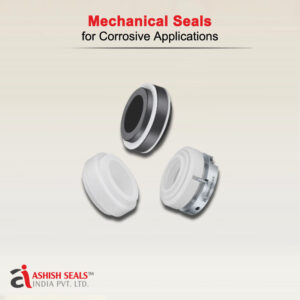
Mechanical Seals for Corrosive Chemical Applications
Pumps, mixers and vessels handling corrosive media. Selected by chemical, concentration, temperature, pressure and wetted materials.
View Details →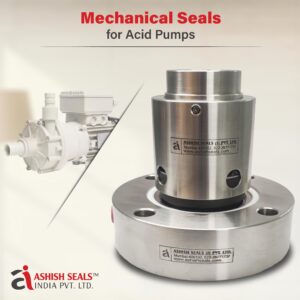
Mechanical Seals for Acid and Alkali Applications
Acidic or alkaline process service. Selected by exact medium, concentration, temperature, pressure and cleaning.
View Details →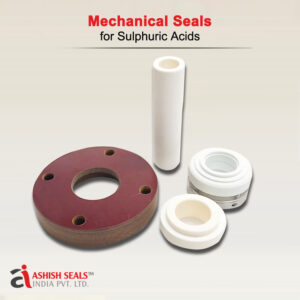
Mechanical Seals for Sulphuric Acid Service
Sulphuric acid pumping, mixing or processing. Selected by acid concentration, water content, pressure, temperature and speed.
View Details →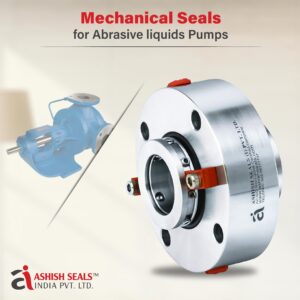
Mechanical Seals for Abrasive Liquid Applications
Liquids carrying suspended abrasive particles. Selected by particle size, hardness, solids percentage, speed and flushing.
View Details →Mechanical Seals for Slurry Applications
Sludge, slurry and solids-bearing processes. Selected by solids, settling, particle size, viscosity and operating cycle.
View Details →Mechanical Seals for Viscous and Thick Liquids
Oils, syrups, resins, pastes and heavy products. Selected by viscosity, temperature, speed, solidification and cleaning.
View Details →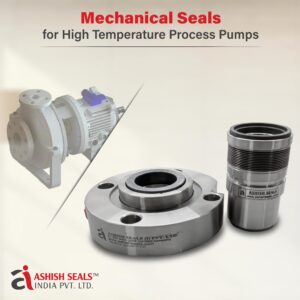
Mechanical Seals for High-Temperature Applications
Hot water, thermal liquids and heated process media. Selected by normal and maximum temperature, pressure, cooling and materials.
View Details →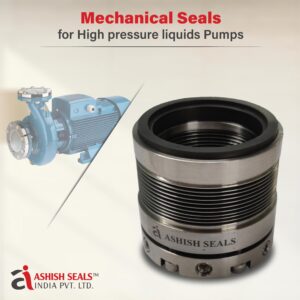
Mechanical Seals for High-Pressure Applications
Elevated pump or vessel pressure. Selected by seal chamber or vessel pressure, speed, arrangement and support system.
View Details →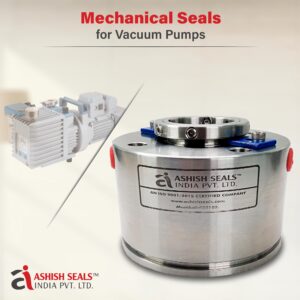
Mechanical Seals for Vacuum Applications
Vacuum pumps, mixers, reactors, dryers and vessels. Selected by vacuum level, pressure reversal, product, temperature and shaft arrangement.
View Details →Mechanical Seals for Hygienic Applications
Food, dairy, pharmaceutical and clean processing. Selected by product contact, cleaning, sterilisation, materials and contamination limits.
View Details →Process Data Required Before Selecting Seal Materials
A material name alone is not enough. Chemical concentration, temperature and operating pattern can change compatibility and seal performance.
| Selection Detail | Information to Provide |
|---|---|
| Equipment | Pump, mixer, agitator, reactor, vessel, dryer or other rotating machine |
| Process medium | Exact chemical or product name and concentration |
| Temperature | Normal, start-up, cleaning and maximum temperature |
| Pressure or vacuum | Normal, maximum, minimum and pressure reversal |
| Solids and viscosity | Percentage, particle size, abrasiveness and product consistency |
| Shaft conditions | Diameter, RPM, movement and installation dimensions |
| Operating pattern | Continuous, intermittent, dry-running period, batch or frequent start-stop |
| Existing seal | Construction, materials, service life and failure symptoms |
Application-Based Material and Seal Arrangement Review
Materials Reviewed Against the Full Condition
Ashish Seals India reviews seal faces, elastomers, metallic parts and seal arrangement against the stated process condition. Final materials should never be selected from a broad term such as "chemical" or "acid" without concentration and temperature data.
Arrangement Selected by Duty, Not Guessed
Single, double, cartridge, bellow, dry-running or supported seal arrangements may be considered depending on the equipment and duty. No arrangement is recommended until the installation dimensions and process risk are known.
Repeated Seal Failure
When an existing seal fails repeatedly, send the failed parts and service history. A material change alone may not solve problems caused by dry running, shaft movement, pressure variation, deposits or incorrect installation.
Why Choose Ashish Seals India?
Selection by process medium and operating condition
Review of concentration, temperature, pressure, solids and viscosity
Material compatibility assessment based on supplied data
Support for corrosive, abrasive, hot, high-pressure and vacuum duty
Custom and replacement seal review using drawings or samples
Support for maintenance, procurement and OEM buyers
Manufacturing and supply from Mumbai, India
ISO 9001:2015 certified manufacturing and quality process
Frequently Asked Questions
Which mechanical seal is suitable for corrosive chemicals?
Provide the exact chemical, concentration, pressure and temperature. Seal faces, elastomers and metal parts must be checked against the complete duty.
Can one seal handle all acids and alkalis?
No. Chemical compatibility varies with the medium, concentration and temperature, so each application must be reviewed separately.
Which seal is suitable for abrasive slurry?
Selection depends on solids percentage, particle size, hardness, settling, speed, pressure and available flushing.
How do I select a seal for high temperature?
Provide the maximum process and seal-area temperature, medium, pressure, speed and available cooling or support system.
Do vacuum applications require special consideration?
Yes. Vacuum level, pressure reversal, shaft arrangement, product and leakage direction must be reviewed.
Can you help with repeated seal failure?
Send the failed parts, photographs, service life and operating history. The cause may involve materials, dry running, movement, deposits or installation.
What details are needed for hygienic applications?
Provide the product, contact-material requirement, cleaning or sterilisation cycle, temperature, shaft details and contamination limits.
Can you manufacture a custom seal for a difficult process?
Custom requirements can be evaluated from the equipment drawing, process data, existing seal and required quantity.
Send Your Process Conditions for Seal Selection
Share the equipment, exact medium and concentration, pressure or vacuum, temperature, speed, solids, viscosity and existing seal details. Ashish Seals India will review the requirement for a suitable sealing solution.