
Mechanical Seal Manufacturer & Supplier in Mumbai, India
Looking for a mechanical seal for a pump, agitator, mixer or reactor — or a replacement for a seal that keeps failing?
Our range covers pump mechanical seals, agitator seals, reactor seals, cartridge seals, rubber bellow seals, spring seals, metal bellow seals and PTFE bellow seals, plus application-specific designs built from your sample or drawing.
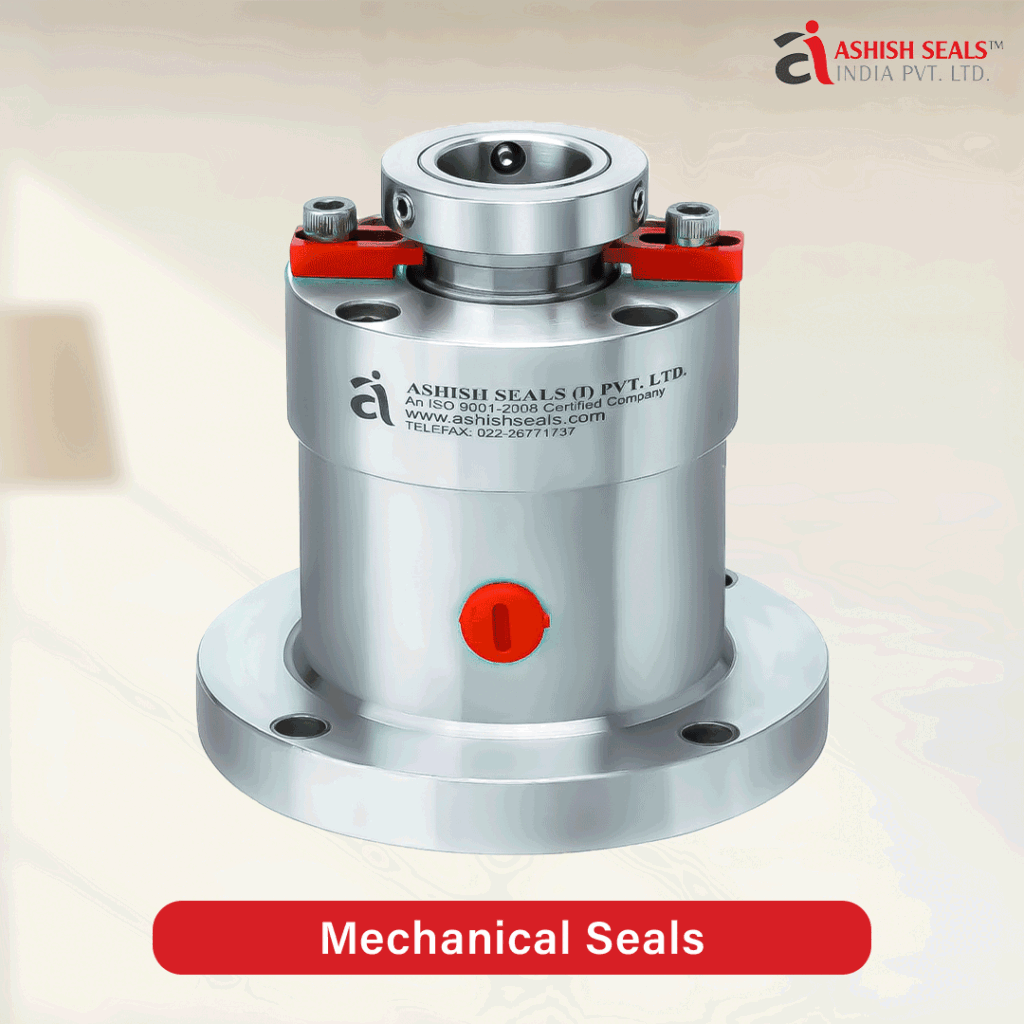
Mechanical Seal Types We Manufacture
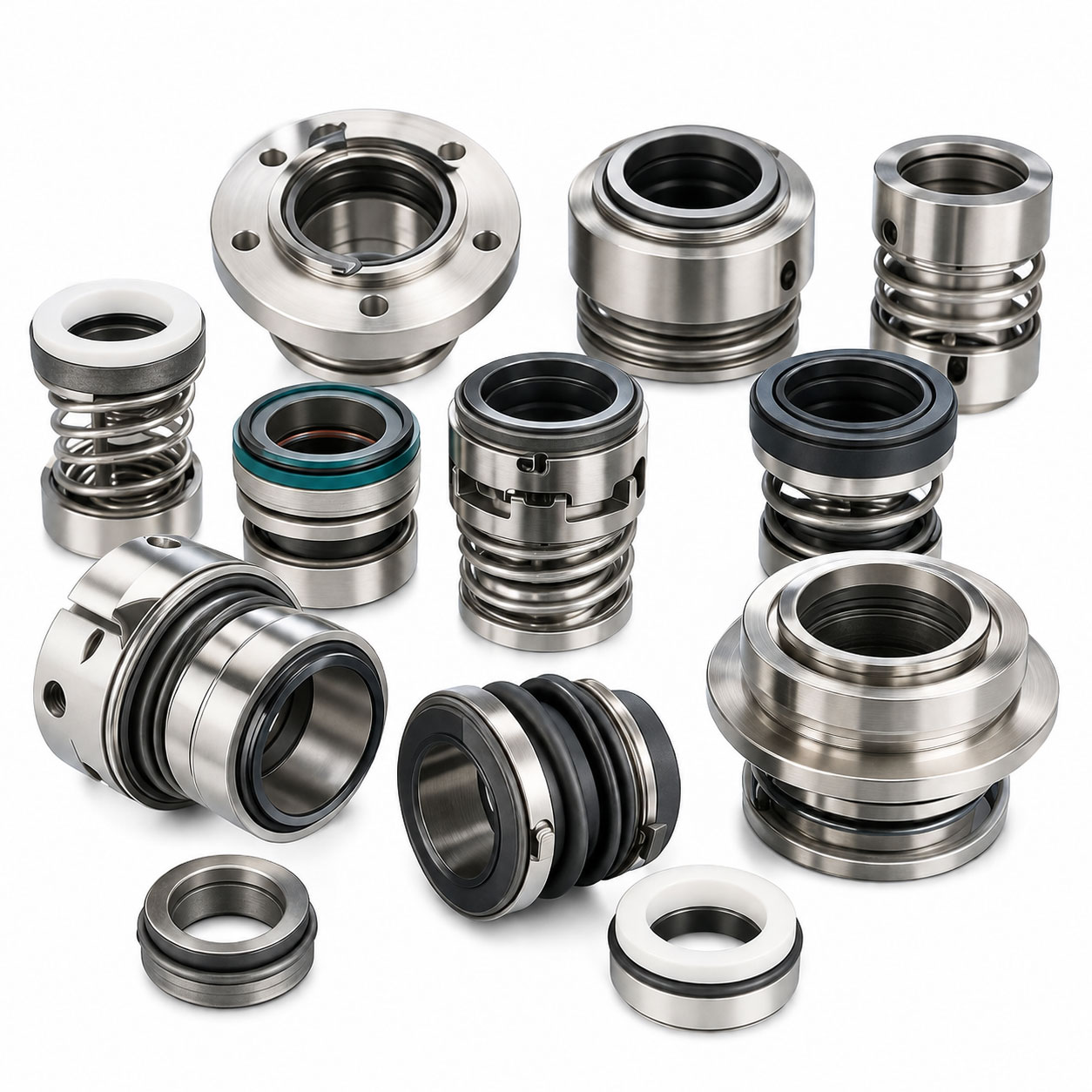
Pump Mechanical Seals
For centrifugal, chemical, hot-oil, slurry, sewage, submersible, boiler-feed and process pumps, including imported and discontinued models.
View Pump Mechanical Seals →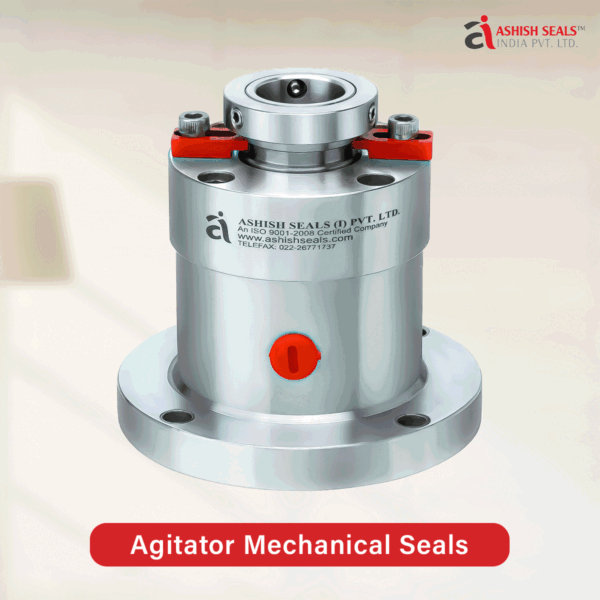
Agitator Mechanical Seals
Top-, bottom- and side-entry designs for mixing tanks and vessels; single and double arrangements for pressure, vacuum and atmospheric duty.
View Agitator Mechanical Seals →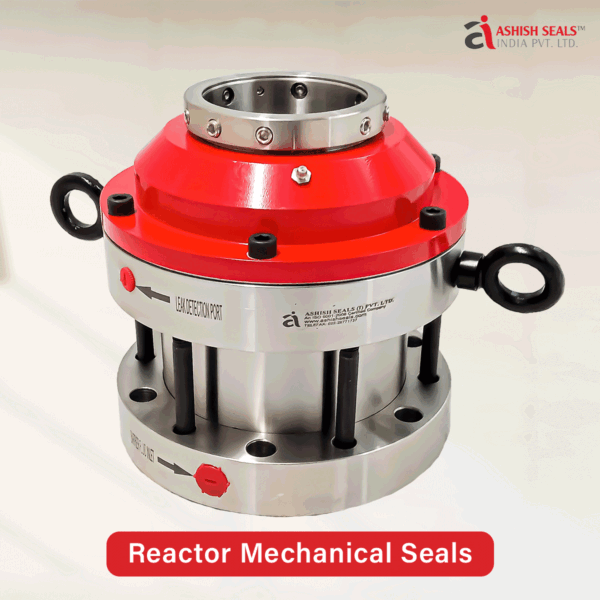
Reactor Mechanical Seals
For shafts entering reactors and process chambers; dry-running and lubricated configurations built to your reactor drawing.
View Reactor Mechanical Seals →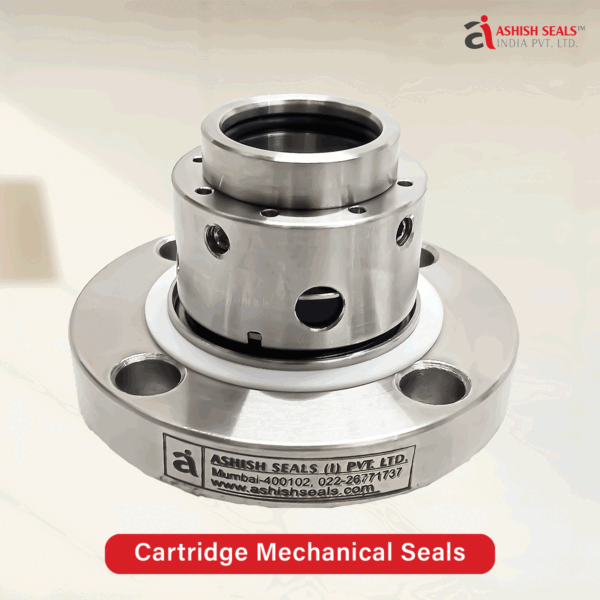
Cartridge Mechanical Seals
Pre-assembled, pre-set units that remove installation-setting errors; single and double cartridges for pumps, agitators and reactors.
View Cartridge Mechanical Seals →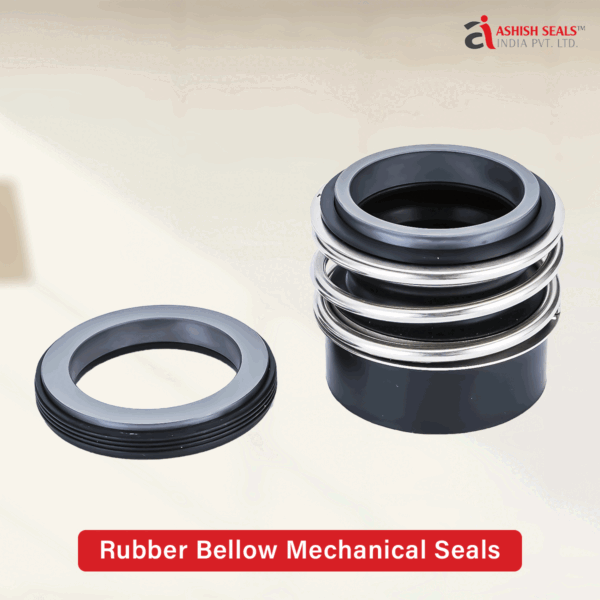
Rubber Bellow Mechanical Seals
Compact, economical seals for water and general process pumps, with multiple elastomer and face options.
View Rubber Bellow Seals →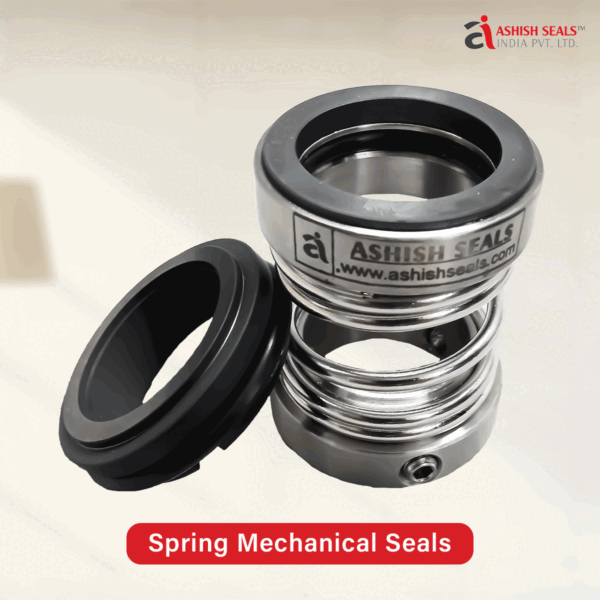
Spring Mechanical Seals
Single-, multi- and wave-spring designs in balanced and unbalanced configurations for centrifugal and process pumps.
View Spring Mechanical Seals →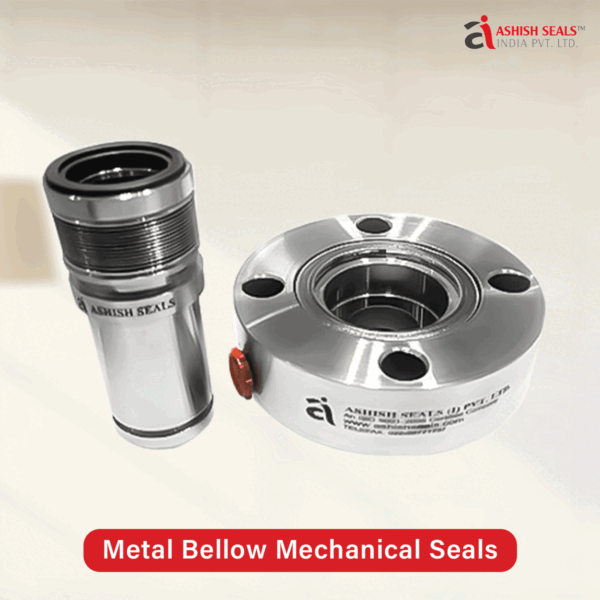
Metal Bellow Mechanical Seals
Non-pusher seals for high-temperature and hot-oil service where a dynamic elastomer would fail; no elastomer sliding on the shaft.
View Metal Bellow Seals →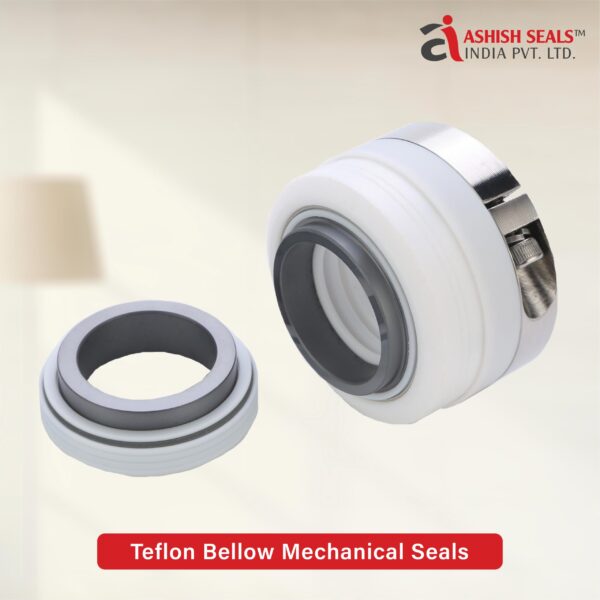
Teflon Bellow Mechanical Seals
For aggressive acids and corrosive chemicals; selection confirmed against the exact chemical, concentration and temperature.
View PTFE Bellow Seals →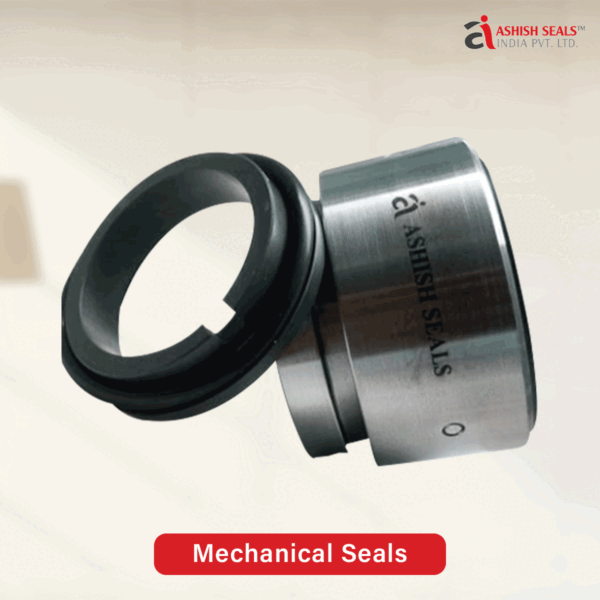
Other Mechanical Seals
Non-standard sizes and one-to-one replacements developed from your sample, drawing or photographs, including equivalents for imported and discontinued seals.
View Special & Replacement Seals →What Is a Mechanical Seal and How Does It Work?
A mechanical seal is a precision device that controls liquid, vapour or gas leakage where a rotating shaft passes through a pump casing, vessel or equipment housing. It works through two lapped faces:
Springs, bellows and process pressure hold the faces together while a microscopic film of fluid between them lubricates the interface and carries away heat. Secondary seals — O-rings, gaskets, wedges or bellows — close every other leakage path.
That thin fluid film is why a correctly selected seal lasts and a wrongly selected one fails within weeks. Dry running, incompatible materials, poor installation or a worn shaft disturbs the film, overheats the faces and destroys the seal. This is also why we ask so many questions before quoting.
Buyers often use "shaft seal" and "mechanical seal" interchangeably. Strictly, shaft seal is the broader term — it also covers oil seals, lip seals and gland packing, compared in the table further below.
Main Parts of a Mechanical Seal
Rotating and stationary faces — carbon, ceramic, silicon carbide or tungsten carbide, chosen for the fluid and duty
Secondary seals — O-rings, gaskets, wedges or bellows in NBR, EPDM, FKM, FFKM, silicone or PTFE
Springs or bellows — single-spring, multi-spring, wave-spring, elastomer, PTFE or metal bellow loading
Gland, shaft sleeve, drive collars and retaining hardware
Construction varies by design — component, cartridge, pusher, non-pusher, single, double, balanced or unbalanced. We build all of these.
Find the Right Mechanical Seal for Your Equipment
Start with the machine you need to seal. This table maps common requirements to the right category — final selection always depends on your operating data.
| Your requirement | Seal category | What we need from you |
|---|---|---|
| Stop leakage at a pump shaft | Pump Mechanical Seals | Pump model, shaft size, fluid, pressure, temperature, speed |
| Seal a mixing-tank shaft | Agitator Mechanical Seals | Entry position, vessel pressure/vacuum, shaft size, medium |
| Seal a reactor drive | Reactor Mechanical Seals | Reactor drawing, entry arrangement, pressure, temperature, chemistry |
| Eliminate installation-setting errors | Cartridge Mechanical Seals | Shaft/sleeve size, chamber dimensions, seal arrangement |
| General water or process duty | Rubber Bellow / Spring Seals | Fluid, shaft size, pressure, temperature |
| High-temperature or hot-oil service | Metal Bellow Seals | Fluid, max temperature, metallurgy, pressure |
| Corrosive chemical service | Teflon Bellow Seals | Chemical name, concentration, temperature, pressure |
| Replace an imported/discontinued seal | Replacement Seals | Sample, drawing or clear photographs + dimensions |
Two seals that look identical can use different faces, elastomers, springs and internal dimensions. Never select a seal from appearance or shaft diameter alone — send us the operating details and we'll confirm the correct design before you order.
Single vs Double, Cartridge vs Component: Choosing an Arrangement
| Comparison | The difference | When it matters |
|---|---|---|
| Single vs double seal | One face pair vs two sealing stages with barrier/buffer fluid | Choose double for hazardous, volatile, abrasive, crystallising or poorly lubricating fluids |
| Cartridge vs component | Pre-set unit vs parts fitted at installation | Cartridge cuts installation errors and maintenance downtime |
| Balanced vs unbalanced | Reduced vs full hydraulic load on the faces | Balanced designs handle higher pressures with less heat |
| Pusher vs non-pusher | Sliding secondary seal vs bellow flexibility | Non-pusher (bellow) suits high temperature, deposits and worn shafts |
| Inside vs outside mounted | Faces inside vs outside the process | Outside mounting helps with certain corrosive fluids and tight spaces |
| Wet vs dry running | Fluid-film lubricated vs designed for dry duty | Dry-running designs for agitators/reactors without liquid at the seal |
No arrangement is universally better.
Send your conditions and we'll recommend the one that lasts in your equipment — that recommendation costs you nothing.
Send Your Operating Conditions →How to Choose the Right Mechanical Seal
Our engineers run every enquiry through this checklist — the more of it you can send, the faster and more accurate your quotation:
Equipment & Dimensions
- Equipment — pump, agitator, mixer, reactor, dryer, blender or other machine
- Shaft/sleeve diameter and seal-chamber or stuffing-box dimensions
- Equipment condition — runout, vibration, bearing wear (a perfect seal fails on a bad shaft)
- Existing seal details — drawing, sample, nameplate, part number or photos
Operating Conditions
- Process medium — exact fluid, chemical concentration, solids content
- Pressure — normal, maximum, vacuum, fluctuations
- Temperature — operating, maximum, CIP/cleaning, start-up
- Shaft speed and direction of rotation (some spring designs are directional)
Requirement Details
- Single or double sealing requirement
- Material constraints — plant standards, FDA/food-grade needs
- Quantity and required delivery
Industries and Equipment We Serve
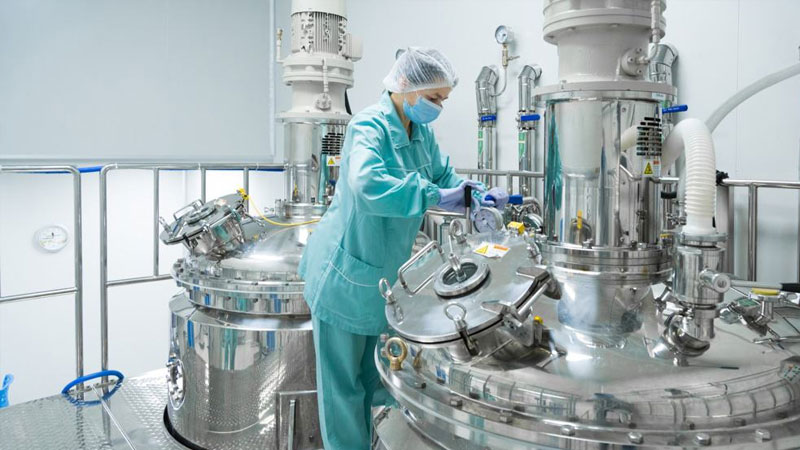
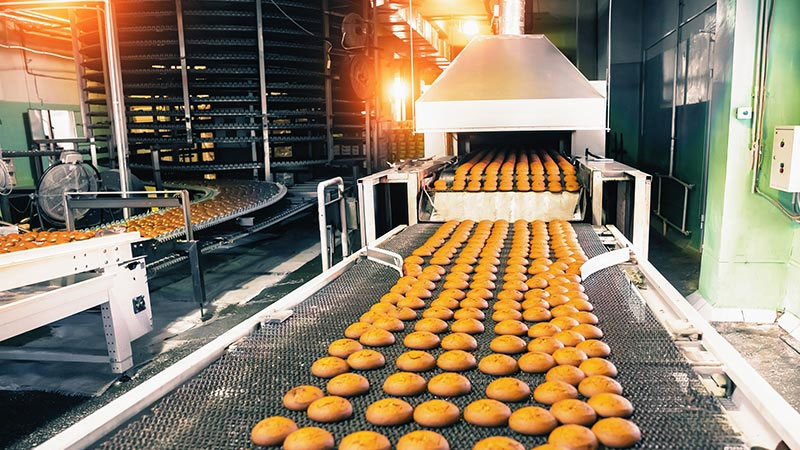
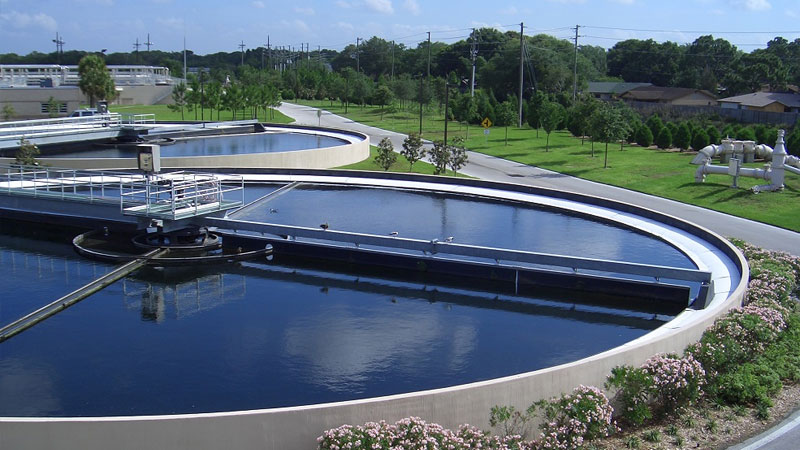
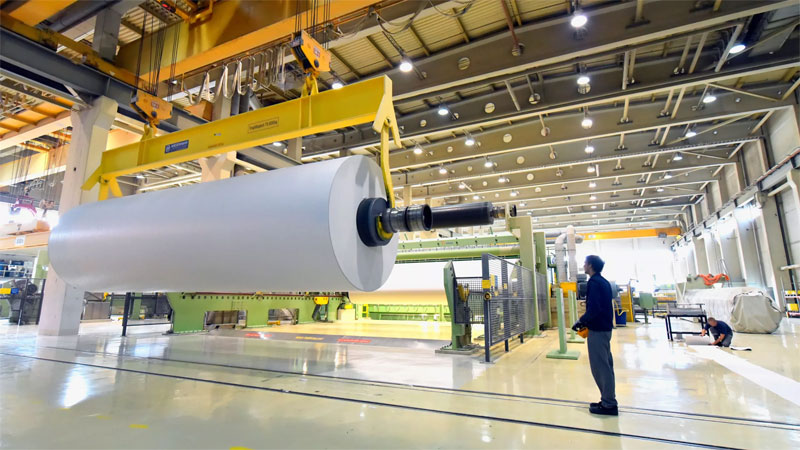
Our seals run on pumps, agitators, mixers, reactors, dryers, blenders, vessels, filters, mills and homogenisers across:


Mechanical Seal vs Oil Seal, Lip Seal and Gland Packing
| Method | Construction | Typical use | Key difference |
|---|---|---|---|
| Mechanical seal | Precision lapped rotating + stationary faces | Process pumps, agitators, reactors | Controlled, minimal leakage under process conditions |
| Oil seal | Flexible lip in metal/elastomer body | Gearboxes, bearing lubricant retention | Retains oil/grease; not for process-pump face sealing |
| Lip seal | Flexible lip on the shaft | Low-pressure rotating duty | Compact, limited pressure capability |
| Gland packing | Compressed braided packing | Older pumps, valves | Requires deliberate leakage and regular adjustment |
Converting from gland packing to a mechanical seal typically reduces leakage, shaft-sleeve wear and adjustment labour on most process pumps — ask us whether your pump is a candidate.
Why Buy Mechanical Seals from Ashish Seals
20+ years of mechanical seal design and manufacturing (since 2005)
ISO 9001:2015 certified, everything machined and tested in-house in Mumbai
Engineering-led selection — we review your application before quoting, free of charge
Replacement expertise for imported and discontinued seals from samples and drawings
Repair and failure analysis — we solve repeat failures, not just resupply seals
Pan-India supply and export to international buyers
Frequently Asked Questions
What is a mechanical seal?
A device that controls leakage where a rotating shaft passes through stationary equipment, using a rotating face and a stationary face held together by springs, with secondary seals closing other leak paths.
Is a mechanical seal the same as a shaft seal or pump seal?
Buyers use the terms interchangeably. Strictly, "shaft seal" is broader and also covers oil seals, lip seals and packing.
How does a mechanical seal work?
Two lapped faces run against each other with a microscopic fluid film between them. Springs and hydraulic pressure keep the faces loaded; the film lubricates and cools the interface.
Does a mechanical seal give zero leakage?
It controls leakage to a very low, acceptable level. Contacting faces run on a microscopic fluid film, so absolute zero should not be assumed for every design.
What are the main types of mechanical seals?
Component, cartridge, single, double, balanced, unbalanced, pusher, non-pusher, rubber bellow, metal bellow, PTFE bellow, spring, agitator and reactor seals — all of which we manufacture.
When do I need a double mechanical seal?
For hazardous, volatile, abrasive, crystallising or poorly lubricating fluids, or where any atmospheric leakage is unacceptable. Double seals use a barrier or buffer fluid between two sealing stages.
Which seal suits a centrifugal pump / water pump / chemical pump / hot oil?
It depends on the pump model, shaft size, fluid, pressure, temperature and speed. As a starting point: rubber bellow or spring seals for water duty, PTFE bellow or SiC-faced seals for chemicals, metal bellow seals for hot oil. We confirm the exact design from your data.
Which face materials and elastomers are used?
Faces: carbon, ceramic, silicon carbide, tungsten carbide. Elastomers: NBR, EPDM, FKM, FFKM, silicone and PTFE-based elements. Compatibility is checked per chemical, concentration and temperature.
Can you make a seal from a sample or drawing?
Yes. We reverse-measure samples and manufacture from drawings after a technical review of dimensions, materials and operating conditions.
Can you replace imported or discontinued mechanical seals?
Yes — this is one of our core services. Send the original seal, drawing, equipment details or clear photographs with dimensions.
What is the price of a mechanical seal in India?
It varies with type, size, arrangement, face materials, elastomers, metallurgy, rating and quantity. Two seals of the same shaft size can differ significantly. Send your details for a specific quotation.
What information do you need for a quotation?
Equipment make/model, shaft size, critical dimensions, fluid, pressure, temperature, speed, material requirements, a drawing or sample if available, and quantity.
Why does my mechanical seal keep failing?
Common causes: dry running, wrong materials, installation errors, shaft runout, vibration, abrasive fluid, over-pressure/temperature, blocked flush lines or incorrect barrier-fluid conditions. Send the failed seal for analysis — a new identical seal will fail the same way if the cause isn't fixed.
Can a damaged seal be repaired?
Often, yes — after inspection of the faces, metal parts, elastomers and critical dimensions. We advise repair, refurbishment or upgrade case by case.
How long does a mechanical seal last?
There is no universal figure. Life depends on selection, installation, equipment condition, fluid and operation. Correct selection plus a healthy pump gives the longest service life.
What is the HSN / HS code for mechanical seals?
Mechanical seals are commonly classified under HS 8484.20 (HSN 84842000 in India). Confirm current classification and GST treatment before invoicing.
Do you supply outside Mumbai?
Yes — we manufacture in Mumbai and supply across India and to export markets.
How do I get the right seal recommended?
Send your equipment type, shaft diameter, fluid, pressure, temperature, speed and any drawing, sample or photographs to our technical team.
Request a Mechanical Seal Recommendation or Quotation
Don't select a seal from appearance, shaft diameter or an old part number. Send us your equipment make and model, shaft/sleeve diameter, seal-chamber dimensions, process medium, pressure, temperature, speed, existing seal details and quantity — with a drawing, sample or photographs if you have them.
Our engineers will confirm whether you need a pump seal, agitator seal, reactor seal, cartridge seal, bellow seal, spring seal or a custom replacement — and quote the exact design for your application.