
Spring Mechanical Seal Manufacturer in Mumbai, India
Corrosive chemicals, slurry, sludge, or a seal that has to hold at high speed without clogging — which spring geometry actually fits the job?
Ashish Seals India manufactures spring mechanical seals in conical, single, multi and wave spring constructions, each available in balanced and unbalanced versions where the design allows. We've been building mechanical seals in Mumbai since 2005, and this range is rugged by design — built to handle corrosive chemicals, chemical process pumps, water, sewage and submersible pumps, and general light chemical duties.
The spring is what keeps the faces closed when the process pressure isn't doing that job for you, and different spring geometries solve different problems: a single spring is compact and non-clogging on dirty or crystallising media, a multi-spring array holds uniform face pressure at high speed, a conical spring saves radial and axial space, and a wave spring runs without a dynamic O-ring at all. Tell us your pressure, media and mounting constraints and we'll confirm which geometry — and which balance — actually fits.
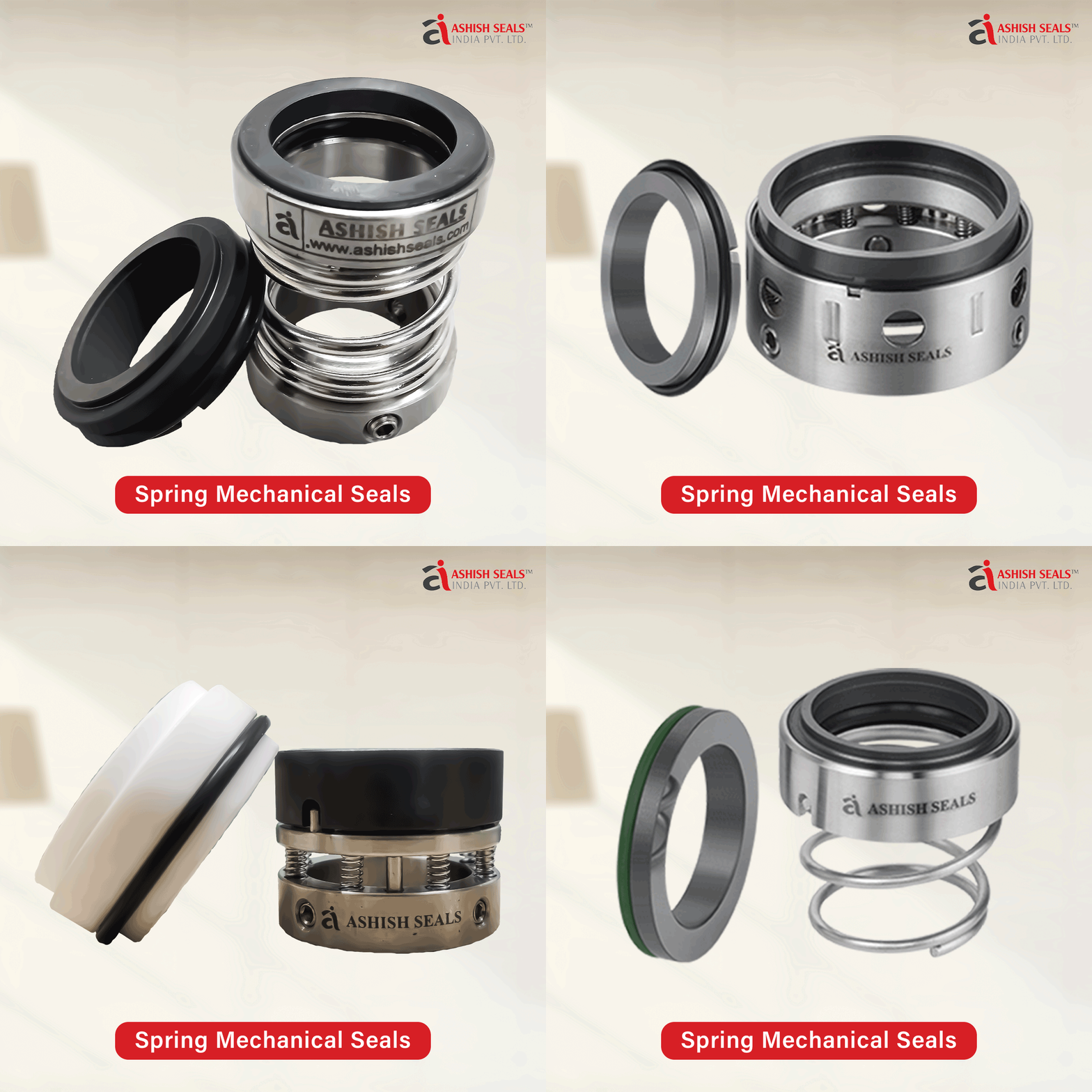
Types of Spring Mechanical Seals
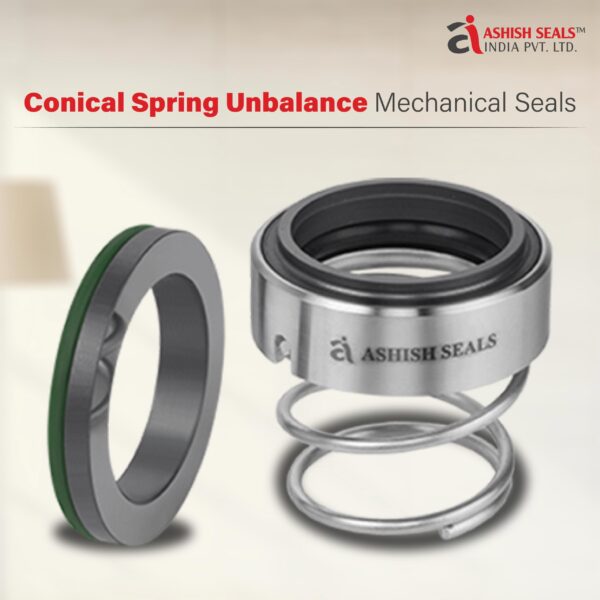
Conical Spring Unbalanced Mechanical Seals
A compact design that removes the need for extra axial and radial installation space — the tapered coil telescopes into itself instead of running at a constant diameter. Built to resist extreme corrosive chemicals: salts, concentrated acids, and strong reducing and oxidising agents. Common on chemical process pumps, water, sewage and submersible pumps.
View Conical Spring Unbalanced Seal →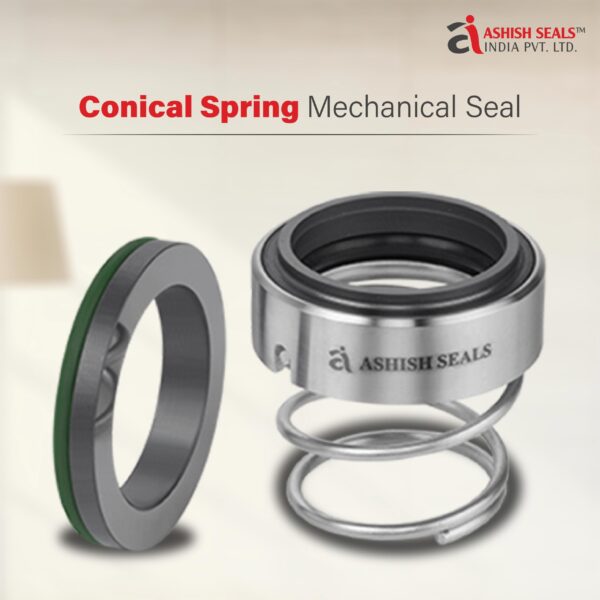
Conical Spring Balanced Mechanical Seals
The same space-saving conical geometry, with an O-ring added for secondary sealing and the face balanced to reduce hydraulic closing force — the right choice once pressure climbs beyond what the unbalanced version comfortably handles. Torque is transmitted through the coil spring, so this version depends on direction of rotation.
View Conical Spring Balanced Seal →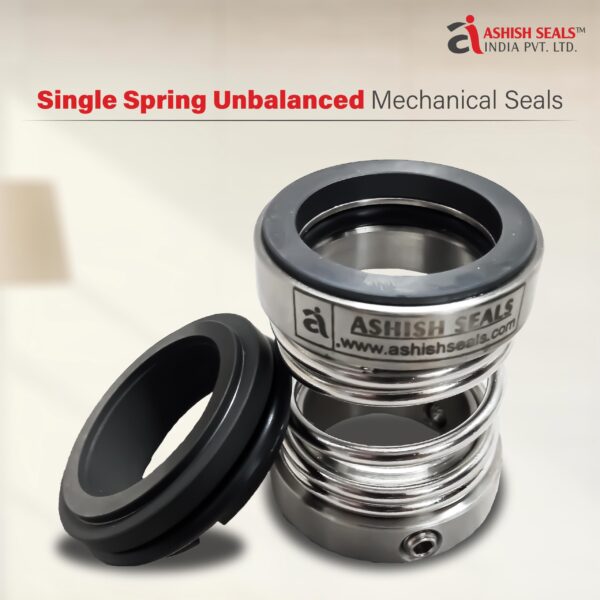
Single Spring Unbalanced Mechanical Seals
An internally mounted, easy-to-install helical coil spring seal, independent of direction of rotation, with the rotary seal ring driven directly by the spring — eliminating slippage and protecting the shaft and sleeve from fretting. Compact and non-clogging, built for sludge, slurries, sewage, viscous and crystallising media on pulp, process and circulating pumps.
View Single Spring Unbalanced Seal →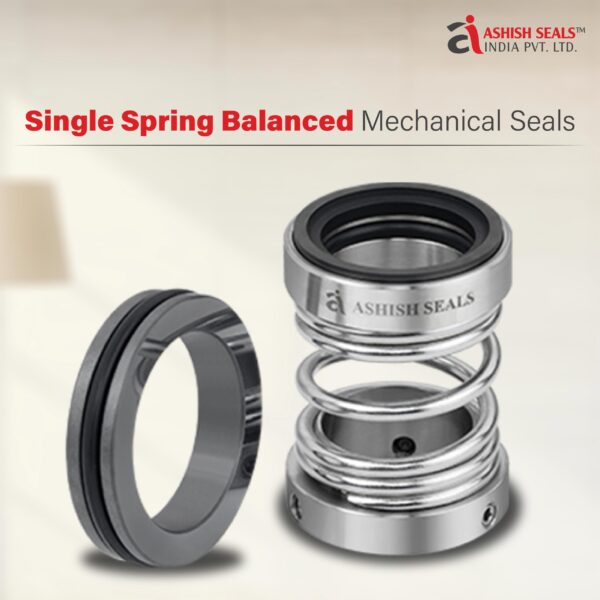
Single Spring Balanced Mechanical Seals
The balanced version of the same single-spring design, built for duties where system pressure is high enough that an unbalanced face would run too hot or wear too fast. Keeps the compact, non-clogging construction while adding the pressure headroom a balanced face provides.
View Single Spring Balanced Seal →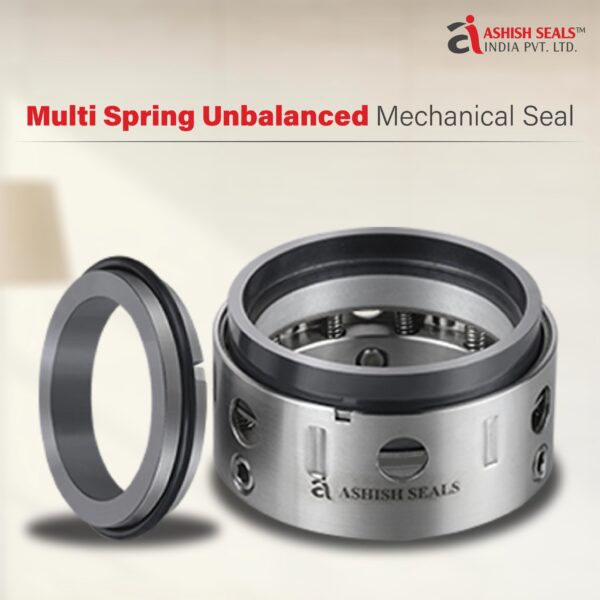
Multi Spring Unbalanced Mechanical Seals
A pusher-type design that resists distortion at high speed, holding uniform pressure across the seal face under all operating conditions. Compact enough for any centrifugal pump. Unbalanced construction is easy to dismantle and assemble via a circlip, and converts to balanced simply by swapping the secondary seal and seal ring.
View Multi Spring Unbalanced Seal →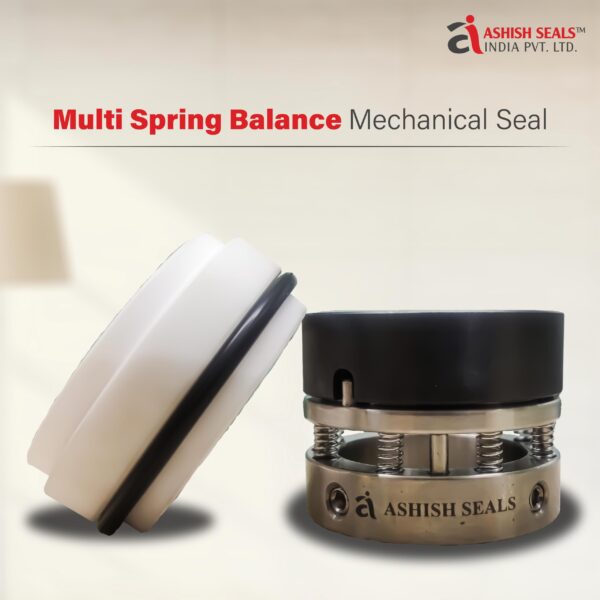
Multi Spring Balanced Mechanical Seals
The balanced upgrade of the multi-spring array, widely used for high-temperature and corrosive duty across petrochemical, petroleum refinery and pulp & paper processes, and on hydrocarbon, solvent and general chemical service where an unbalanced face can't hold up.
View Multi Spring Balanced Seal →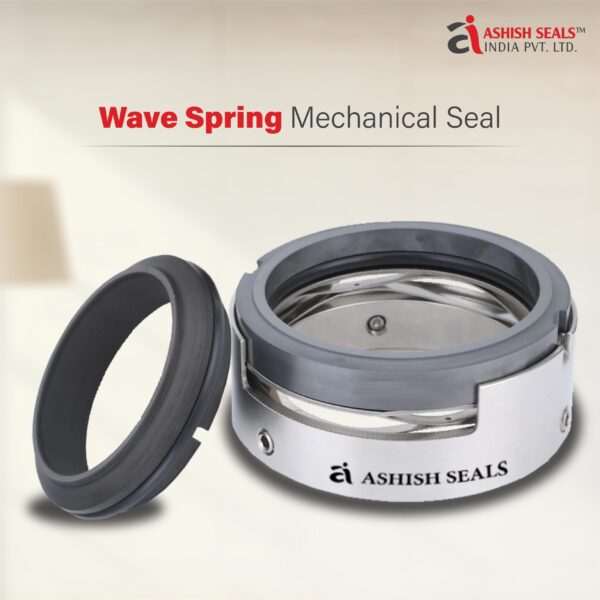
Wave Spring Mechanical Seals
A metal spring core in a U-shaped jacketed structure, with outstanding static and dynamic sealing under high speed. No dynamic O-ring means nothing to hang up or damage the sleeve and shaft. Reduced axial length and non-clogging design make it well suited to slurry and dirty duty, high start-up torque and highly corrosive, high-temperature media.
View Wave Spring Seal →Balanced vs Unbalanced: What's the Difference?
Four of the seven types above come in both versions — the difference isn't the spring geometry, it's how much of the process pressure acts to close the faces together:
If you're not sure which side of that line your duty falls on, send us the operating pressure along with the rest of your details — we'll confirm rather than guess.
Choose the Right Spring Geometry
Use this table for a first shortlist. Final selection always depends on your actual pressure, temperature, media and mounting constraints.
| Spring Type | Best Suited For | Key Benefit | Rotation |
|---|---|---|---|
| Conical spring | Tight installation space, extreme corrosive chemicals | Saves axial and radial space via telescoping coils | Balanced version is direction-dependent |
| Single spring | Sludge, slurry, sewage, crystallising or viscous media | Compact, non-clogging, protects shaft from fretting | Independent of direction of rotation |
| Multi spring | High-speed centrifugal pumps, corrosive and high-temperature duty | Uniform face pressure under all operating conditions | Independent of direction of rotation |
| Wave spring | High-speed, slurry and dirty applications, high start-up torque | No dynamic O-ring — won't hang up or damage the sleeve | Independent of direction of rotation |
Standard wave spring builds cover shaft diameters [20 mm to 100 mm], pressure up to [10 bar], and temperatures from [–45°C to 180°C]. Other spring types are built to the pressure, temperature and pump housing you send us — final limits are stated on the approved design.
What We Need to Quote Your Spring Seal
Spring seals are matched to the pump, pressure and media, not sold as a single universal part. Send as much of this as you can — photographs of the existing installation fill most of the gaps.
| Parameter | What to Send | Why It Matters |
|---|---|---|
| Equipment type | Centrifugal pump, process pump, submersible pump, agitator | Sets mounting style and expected duty |
| Shaft / sleeve diameter | Actual measured diameter at the seal | Sets spring size and internal dimensions |
| Mounting | Inside or outside mounted, available space | Determines which spring geometry fits |
| Direction of rotation | CW, CCW or reversible | Rules out direction-dependent constructions if reversible |
| Pressure | Normal and maximum operating pressure | Decides balanced vs unbalanced |
| Temperature | Operating and maximum temperature | Drives face, elastomer and metal choice |
| Media | Chemical name, concentration, corrosivity | Material compatibility |
| Product behaviour | Clean, sludge, slurry, crystallising, high-viscosity | Rules spring type in or out — clogging risk |
| Solids content | %, particle size, abrasiveness | Face materials and clearances |
| Existing seal | Model, drawing, photos, sample, failure history | Enables a compatible replacement |
| Order details | Quantity, delivery location, required date | Production and dispatch planning |
Industries We Serve
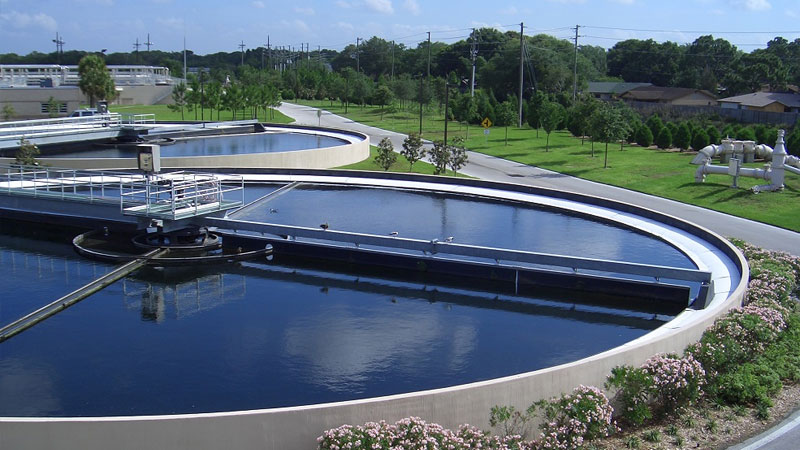
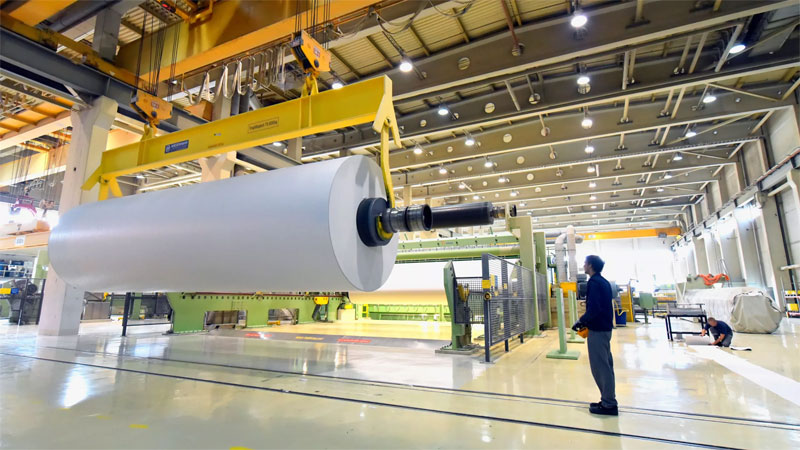
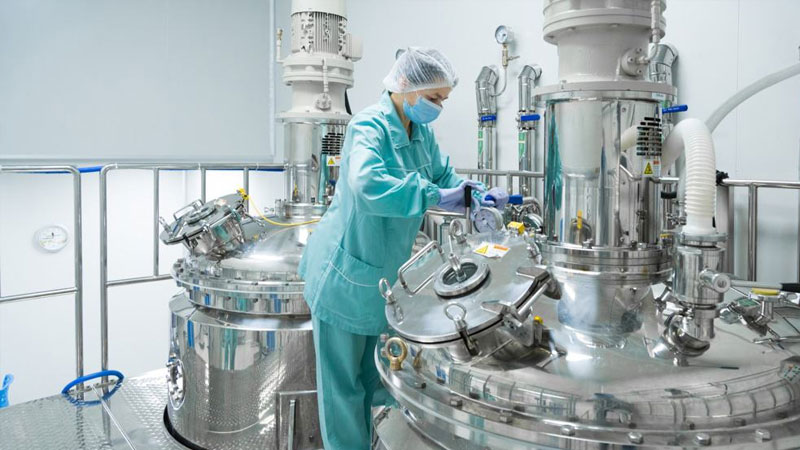
Spring mechanical seals go wherever a rugged, adaptable seal has to handle corrosive, dirty or high-speed duty:

Why Buy from Ashish Seals India?
We've manufactured industrial sealing solutions in Mumbai since 2005, with the entire process under one roof:
Application-based seal selection by our own engineering team, matched to pressure and media
Custom design and development, including reverse engineering from a worn sample
CNC and VMC machining, seal-face lapping [checked to light-band flatness]
Component inspection, assembly and testing before every dispatch
All seven spring geometries manufactured in-house — one supplier for the full range
[Repair and reconditioning of existing seals]
Frequently Asked Questions
What is a spring mechanical seal?
A mechanical seal that uses a spring — conical, single, multi-coil or wave — to keep the sealing faces closed with the right pressure, independent of (or in some designs, dependent on) how the process pressure alone would load the faces.
What's the difference between balanced and unbalanced seals?
An unbalanced seal lets the full process pressure act on the face — simpler and more economical, suited to lower pressures. A balanced seal reduces the effective area the pressure acts on, cutting heat and wear, and is suited to higher-pressure duty.
Which spring type should I choose?
Conical for tight installation space and extreme corrosive chemicals. Single spring for sludge, slurry and crystallising media. Multi spring for high-speed centrifugal pumps needing uniform face pressure. Wave spring where you want no dynamic O-ring at all. Tell us your duty and we'll confirm.
Can an unbalanced seal be converted to balanced?
On the multi-spring design, yes — it converts to balanced by changing the secondary seal and seal ring, without a full seal replacement.
Do spring seals work regardless of rotation direction?
Single, multi and wave spring versions are independent of direction of rotation. The conical spring balanced version transmits torque through the coil spring itself, so it depends on rotation direction — tell us if your pump is reversible.
Can a spring seal handle corrosive chemicals?
Yes — the conical spring range in particular is built to resist extreme corrosive chemicals including salts, concentrated acids, and strong reducing and oxidising agents.
Can a spring seal handle slurry, sludge or crystallising media without clogging?
Yes — this is the core strength of the single spring and wave spring designs, both built with non-clogging, compact geometries for exactly this duty.
What pressure and temperature can a wave spring seal handle?
Standard builds cover shaft diameters [20 mm to 100 mm], pressure up to [10 bar], and temperatures from [–45°C to 180°C]. Duties outside this envelope need a custom build.
Which industries use spring mechanical seals?
Chemical process, water and sewage, petrochemical and refining, pulp and paper, sugar, pharmaceutical and brewery — anywhere a rugged, adaptable spring geometry is needed to handle corrosive, dirty or high-speed duty.
Which materials are used for spring mechanical seals?
Carbon, silicon carbide and tungsten carbide for the faces; SS 316/316L for metal parts; FKM, EPDM, PTFE or FFKM for the secondary seals. The right combination depends on your media, temperature and solids.
Can you manufacture a replacement from an old seal or sample?
Yes. We regularly develop replacements from a worn sample, a dimensional drawing, or good photographs plus the equipment details and operating conditions.
What is the price of a spring mechanical seal in India?
It depends on spring type, balance, shaft diameter, materials and quantity — there's no fixed price list. Send your pump and duty details for a specific quotation.
How long does manufacturing take?
Typically [X–Y weeks] depending on materials and complexity. Repeat orders against an approved drawing ship faster. Share your required date with the enquiry and we'll confirm.
Do you supply outside Mumbai?
Yes — we supply across India [and export to the Middle East, Africa and Southeast Asia].
Request a Quote for a Spring Mechanical Seal
New pump, retrofit, or a seal that keeps clogging or wearing out on corrosive media — send us the shaft diameter, mounting details, pressure, temperature and media. Our engineers will confirm spring geometry, balance and materials, with a quotation to follow.