
Pump Mechanical Seal Manufacturer in Mumbai, India
Centrifugal, vacuum, acid, dairy, jockey, or a boiler feed pump running hot water and crude oil — one seal doesn't fit all of them.
Ashish Seals India manufactures pump mechanical seals that seal the rotating shaft against the stationary pump housing, stopping the fluid being pumped from seeping out along the shaft. We've been building mechanical seals in Mumbai since 2005, in single, double and tandem arrangements, across the full range of pump duties — centrifugal, vacuum, acid, milk and dairy, jockey, and high-pressure or high-temperature process pumps handling hot water, crude oil and light hydrocarbons.
A pump seal that works perfectly on a clean water centrifugal pump can fail within days on a vacuum pump, where the drop in pressure strips away lubricity at the sealing edge — or on an acid pump, where the wrong face material dissolves. We size and material-match every seal to the actual pump and media, not just the shaft diameter, because that mismatch is where most premature pump seal failures come from.
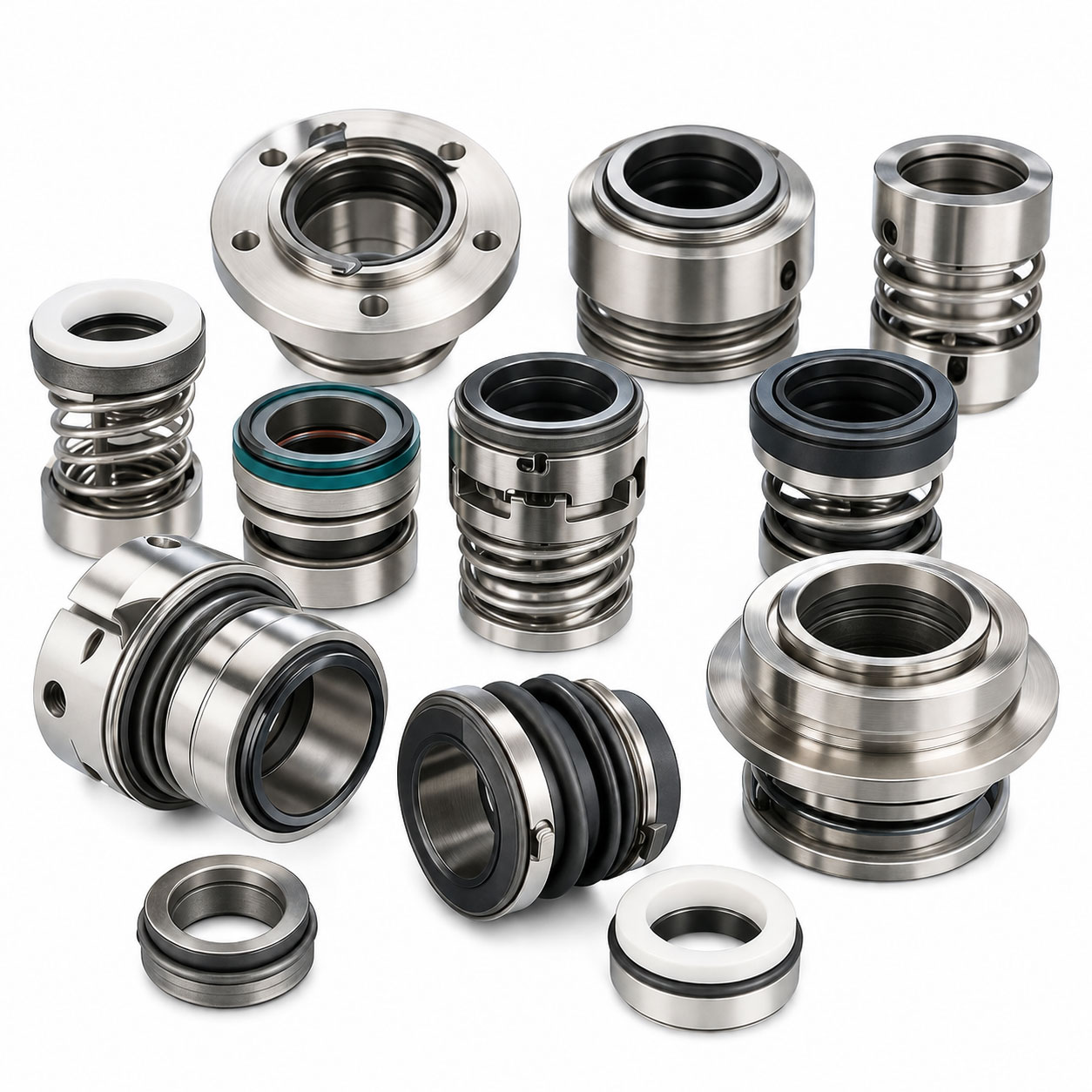
Single, Double or Tandem: Choosing the Seal Arrangement
Across every pump type above, the seal itself comes in one of three arrangements. Start here before narrowing down to face materials and construction.
| Arrangement | Construction | Best Suited For |
|---|---|---|
| Single seal | One set of faces | Non-hazardous media, moderate pressure and temperature — most centrifugal and general-duty pumps |
| Double seal | Two sets of faces with a barrier or buffer fluid between them | Toxic, volatile or high-value media where leakage to atmosphere must be minimised |
| Tandem seal | Two seals in series, unpressurised buffer fluid | Boiler feed water, crude oil transportation and multi-phase pumps where leak monitoring matters |
Double and tandem arrangements need a barrier or buffer fluid system to work properly. See our thermosyphon pot systems — we supply the seal and its support system as a matched pair.
What We Need to Quote Your Pump Seal
Pump seals are matched to the pump and the fluid, not sold as a single universal part. Send as much of this as you can — photographs of the existing installation fill most of the gaps.
| Parameter | What to Send | Why It Matters |
|---|---|---|
| Pump type | Centrifugal, vacuum, acid, dairy, jockey, boiler feed, or other | Sets the failure modes the seal has to survive |
| Shaft / sleeve diameter | Actual measured diameter at the seal chamber | Sets internal dimensions |
| Stuffing box / seal chamber dimensions | Bore, depth, gland bolt circle | Confirms fit without machining |
| Pressure | Normal, maximum, and vacuum level if applicable | Sets balance and seal arrangement |
| Temperature | Operating and maximum temperature | Drives face, elastomer and metal choice |
| Media | Chemical name, concentration, corrosivity — or product type for dairy/food duty | Material compatibility |
| Solids content | %, particle size, abrasiveness | Face materials and clearances |
| Leakage risk | Non-hazardous, toxic, volatile, flammable | Single vs double vs tandem decision |
| Existing seal | Model, drawing, photos, sample, failure history | Enables a compatible replacement |
| Order details | Quantity, delivery location, required date | Production and dispatch planning |
Industries We Serve
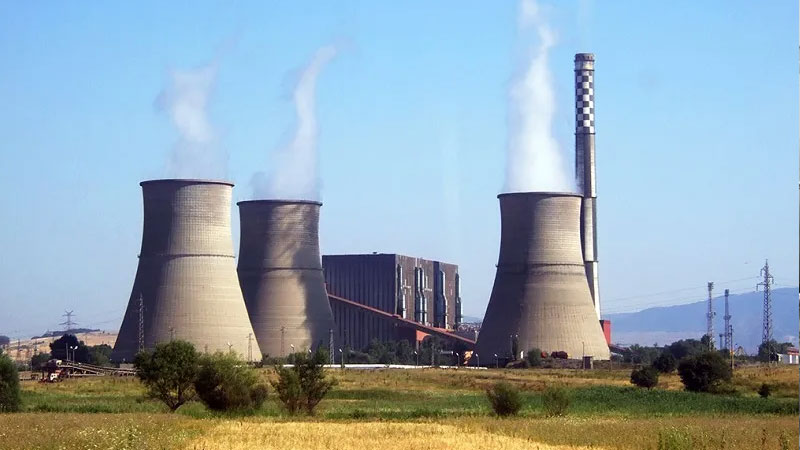
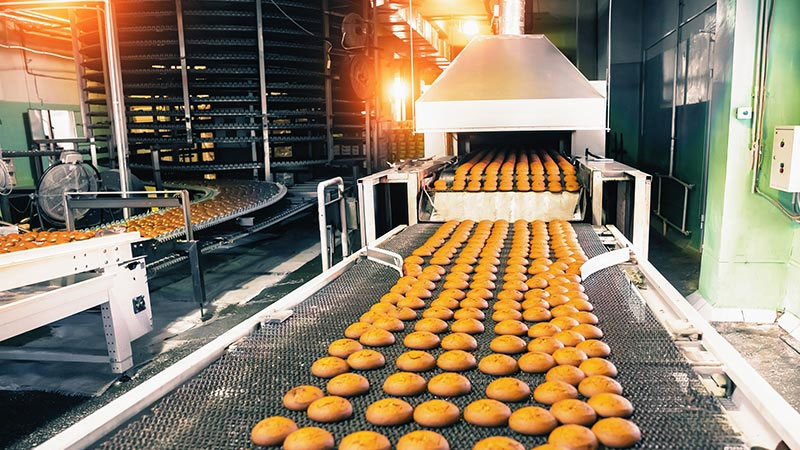
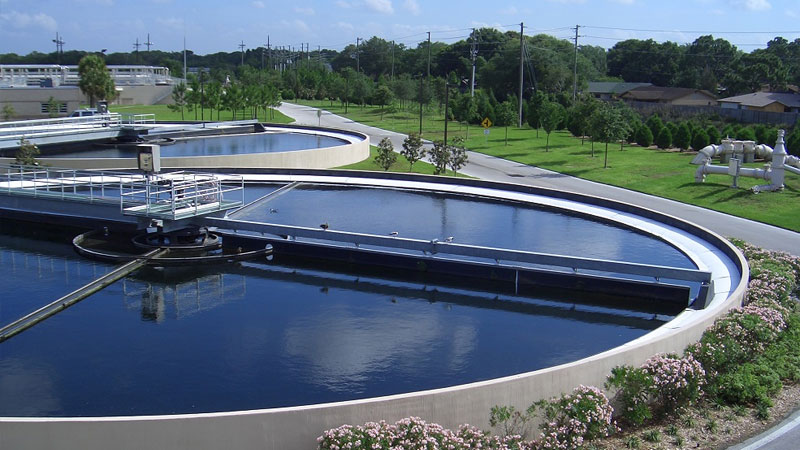
Pump mechanical seals go wherever a rotating pump shaft needs to hold containment against pressure, vacuum, or corrosive and hygiene-critical media:


Why Buy from Ashish Seals India?
We've manufactured industrial sealing solutions in Mumbai since 2005, with the entire process under one roof:
Application-based seal selection by our own engineering team, matched to your specific pump type
Custom design and development, including reverse engineering from a worn sample
CNC and VMC machining, seal-face lapping [checked to light-band flatness]
Component inspection, assembly and testing before every dispatch
Matched thermosyphon and barrier-fluid systems supplied with double and tandem arrangements
[Repair and reconditioning of existing seals]
What that means for you as a buyer: one accountable manufacturer, a seal engineered for your specific pump and media rather than a generic bore-fit part, and someone who picks up the phone when there's a question after delivery.
Frequently Asked Questions
What is a pump mechanical seal?
A seal that controls leakage where a rotating pump shaft passes through the stationary pump housing — forming the barrier between the rotor and the casing that keeps the pumped fluid from seeping out along the shaft.
Which pump types do you supply seals for?
Centrifugal, vacuum, acid, milk and dairy, jockey, and high-pressure or high-temperature process pumps including boiler feed water and crude oil transportation pumps.
Should I use a single, double or tandem seal?
Single for non-hazardous media and moderate conditions. Double where leakage to atmosphere must be minimised on toxic or high-value media. Tandem where you want two seals in series with buffer fluid monitoring, common on boiler feed and crude oil pumps.
Why do vacuum pumps need a different seal than a standard centrifugal pump?
Vacuum reduces lubricity at the sealing edge, and heat soak from the vacuum pump's own bearings adds further risk. A seal designed for standard centrifugal duty is more likely to fail under those conditions.
Can a mechanical seal handle acid pumps?
Yes — PTFE and PTFE-bellow constructions are built specifically for hydrochloric and sulphuric acid duty, where standard elastomer and metal components would fail.
Are your pump seals suitable for food and dairy applications?
Yes — we build hygienic-duty seals for milk, juice and dairy transfer pumps, designed to keep contamination out of the product stream.
What makes a jockey pump seal different?
It has to hold the fire-sprinkler system's standing pressure continuously and reliably, since leakage would prevent the system from detecting a genuine pressure drop and starting the main fire pump.
Can a pump seal handle hot water, crude oil and light hydrocarbons?
Yes — our high-pressure and high-temperature process pump seals are built for exactly this duty, in single, double or tandem arrangements with a water or self-cooling feature where needed.
Does a double or tandem pump seal need a support system?
Yes — most liquid-lubricated double and tandem seals need a thermosyphon pot or barrier-fluid system to circulate, cool and monitor the buffer or barrier fluid. We supply the seal and system as a matched pair.
Can you manufacture a replacement from an old seal or sample?
Yes. We regularly develop replacements from a worn sample, a dimensional drawing, or good photographs plus the equipment details and operating conditions.
What is the price of a pump mechanical seal in India?
It depends on pump type, seal arrangement, shaft diameter, materials and quantity — there's no fixed price list. Send your pump details for a specific quotation.
How long does manufacturing take?
Typically [X–Y weeks] depending on materials and complexity. Repeat orders against an approved drawing ship faster. Share your required date with the enquiry and we'll confirm.
Do you supply outside Mumbai?
Yes — we supply across India [and export to the Middle East, Africa and Southeast Asia].
Request a Quote for a Pump Mechanical Seal
New pump, retrofit, or a seal that keeps failing on the specific duty your pump handles — send us the pump type, shaft diameter, stuffing box dimensions, media and existing seal details. Our engineers will confirm arrangement, materials and any custom sizing, with a quotation to follow.